Editor’s Note
This is an opinion piece and does not allege or assign criminal responsibility to any person. State of Nevada vs. Duane “Keffe D” Davis is an active proceeding, and the defendant has pleaded not guilty. For the courtroom record, follow Black Beat Trial Watch: Day One, Day Two and Day Three.
For nearly 30 years, the death of Tupac Shakur has remained one of the most discussed tragedies in hip-hop history. For many people, including those who grew up listening to his music, Tupac was more than an entertainer. He represented brilliance, contradiction, anger, vulnerability, activism, pain and the realities facing a generation of young Black Americans.
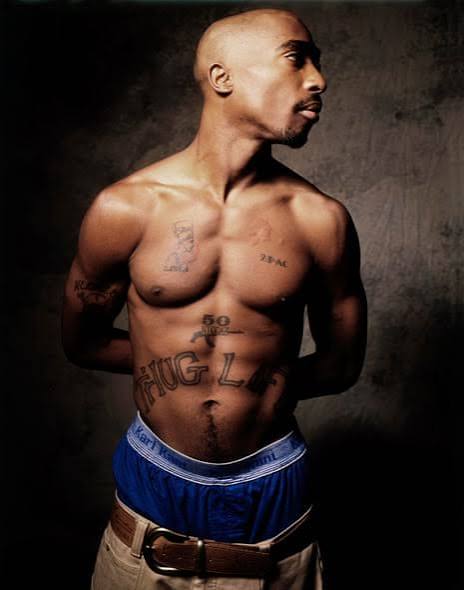
But examining Tupac’s legacy fairly requires us to make room for uncomfortable questions.
This is not about diminishing his talent or suggesting that his murder was justified. It is also not about declaring anyone guilty or innocent in connection with his death. Those are legal questions that should be determined by admissible evidence, due process and, where applicable, a jury.
Tupac was only 25 years old when he died. That fact matters. At 25, most people are still developing, learning from mistakes and becoming who they ultimately will be. Tupac never received the opportunity to reach 30, 40 or 50 and show the world whether experience and maturity would have changed him.
That lost future is tragic.
But Tupac’s lost future cannot be the only lost future we acknowledge.
During the final years of his life, Tupac existed within an increasingly volatile environment involving fame, personal disputes, street affiliations, industry rivalries and violence. Some of his decisions were undeniably confrontational and reckless. The September 7, 1996 altercation at the MGM Grand in Las Vegas, hours before he was shot, remains an important part of the historical record surrounding the events of that night.
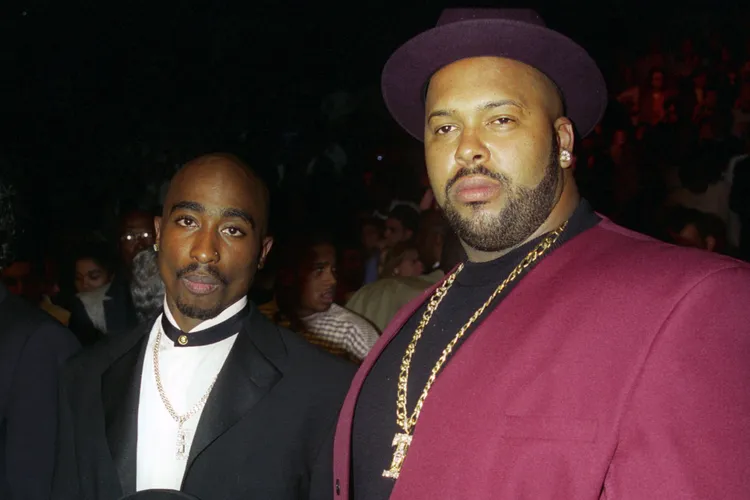
Recognizing those facts does not mean saying Tupac deserved to die.
It means recognizing that actions can have consequences far beyond the person making them.
When violence produces retaliation, the consequences rarely remain confined to the original participants. Families lose sons, fathers, brothers and friends. Communities inherit trauma. Children grow up without parents. And sometimes families spend decades waiting for answers that never arrive.
Those lives deserve consideration too.
Tupac can simultaneously be remembered as an extraordinary artist, an influential voice for Black America, a complicated young man, a person capable of tremendous compassion, and someone who made decisions that deserve serious criticism. Human beings are complicated enough for all of those things to coexist.
Likewise, acknowledging Tupac’s mistakes does not absolve anyone who may have committed crimes against him or anyone else. Personal responsibility works in every direction. If someone committed murder, that person’s responsibility must be evaluated independently of the victim’s behavior. Courts must determine criminal responsibility through evidence rather than popularity, nostalgia, anger or speculation.
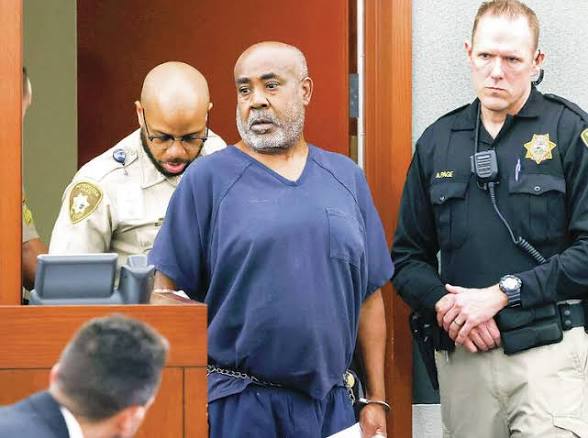
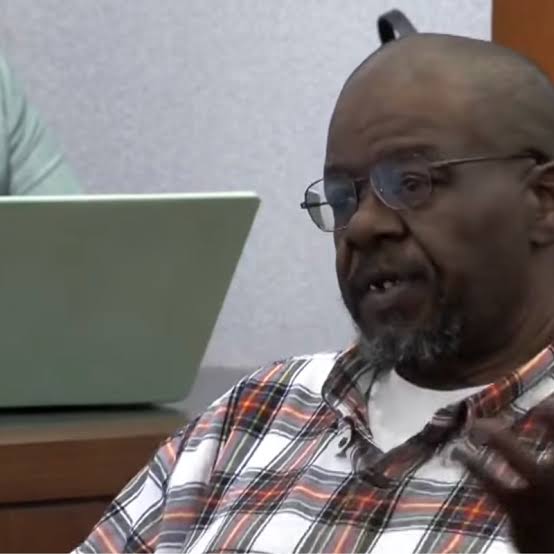
Perhaps that is the larger conversation we should be having almost three decades later.
- We should be able to love an artist without rewriting his history.
- We should be able to criticize his decisions without celebrating his death.
- We should be able to seek justice for Tupac while remembering people whose names never appeared on album covers or magazine covers.
- And we should be able to acknowledge that young Black men on every side of these conflicts had lives, families and futures that mattered.
Tupac Shakur’s legacy deserves an honest examination, not unconditional worship and not unconditional condemnation.
And every life affected by the cycle of violence surrounding that era deserves the same humanity we have extended to Tupac for nearly 30 years.