Long before luxury fashion houses embraced hip hop, the culture had already created its own runway.
It wasn’t in Paris. It wasn’t in Milan. It was on the streets of Harlem, Brooklyn, South Central Los Angeles, and neighborhoods across America where Black creativity transformed necessity into innovation. Hip hop fashion was never simply about clothing. It was about identity, confidence, entrepreneurship, and cultural ownership. Every oversized silhouette, every vibrant color, every custom logo, and every perfectly coordinated outfit told the world that Black culture would define style on its own terms.
Today, hip hop influences nearly every major fashion house on the planet. Luxury brands collaborate with rappers. Sneaker releases dominate the global marketplace. Streetwear has become one of fashion’s most valuable industries.
But before any of that happened, five pioneering brands and visionaries laid the foundation. They are the Founding Five of Hip Hop Fashion.
Dapper Dan: The Original Fashion Architect
Few individuals have changed fashion the way Dapper Dan did.
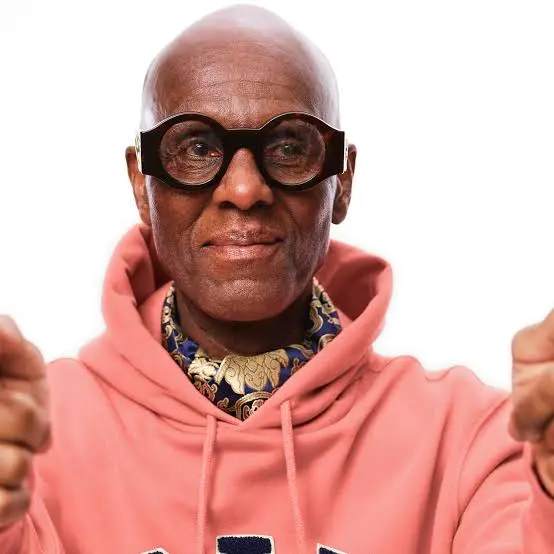
Working from his legendary Harlem boutique during the 1980s, Dapper Dan transformed luxury into something the fashion establishment never imagined. Rather than waiting for European brands to embrace Black consumers, he created custom masterpieces that blended the logos of established luxury houses with silhouettes inspired by hip hop’s emerging superstars.
His clientele included athletes, entertainers, and street legends who wanted clothing that reflected both success and individuality. Although his work sparked legal battles and controversy, history ultimately recognized what the fashion industry initially resisted: Dapper Dan had reimagined luxury through a distinctly Black cultural lens.
Decades later, the same industry that once rejected his vision returned to celebrate it, cementing his place as one of fashion’s most influential innovators.
Cross Colours: Clothing Without Prejudice
If Dapper Dan represented custom luxury, Cross Colours represented cultural unity.
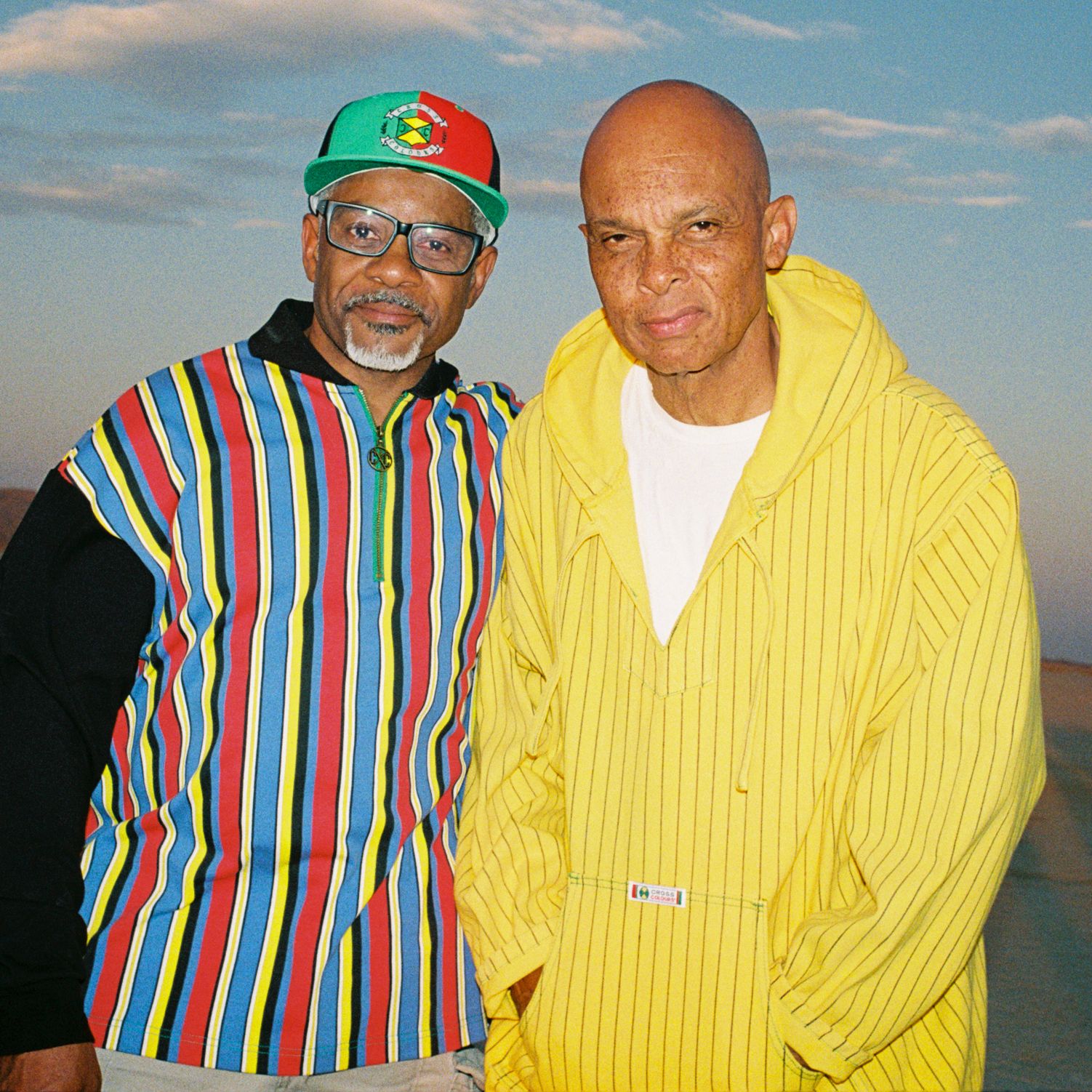
Founded in 1989, the brand exploded into the early 1990s with bold colors, oversized fits, and powerful messaging. Its slogan, “Clothing Without Prejudice,” became more than marketing. It became a movement that challenged racism while celebrating diversity.
Artists, actors, and athletes proudly wore the label. Television audiences saw it weekly on shows like The Fresh Prince of Bel-Air, while musicians across hip hop embraced its unapologetically vibrant aesthetic.
Cross Colours proved that fashion could make a social statement without sacrificing style. It inspired an entire generation to wear clothing that reflected both pride and purpose.
Karl Kani: The Godfather of Urban Fashion
When Carl Williams changed his professional name to Karl Kani, he wasn’t simply creating a brand. He was building an industry.
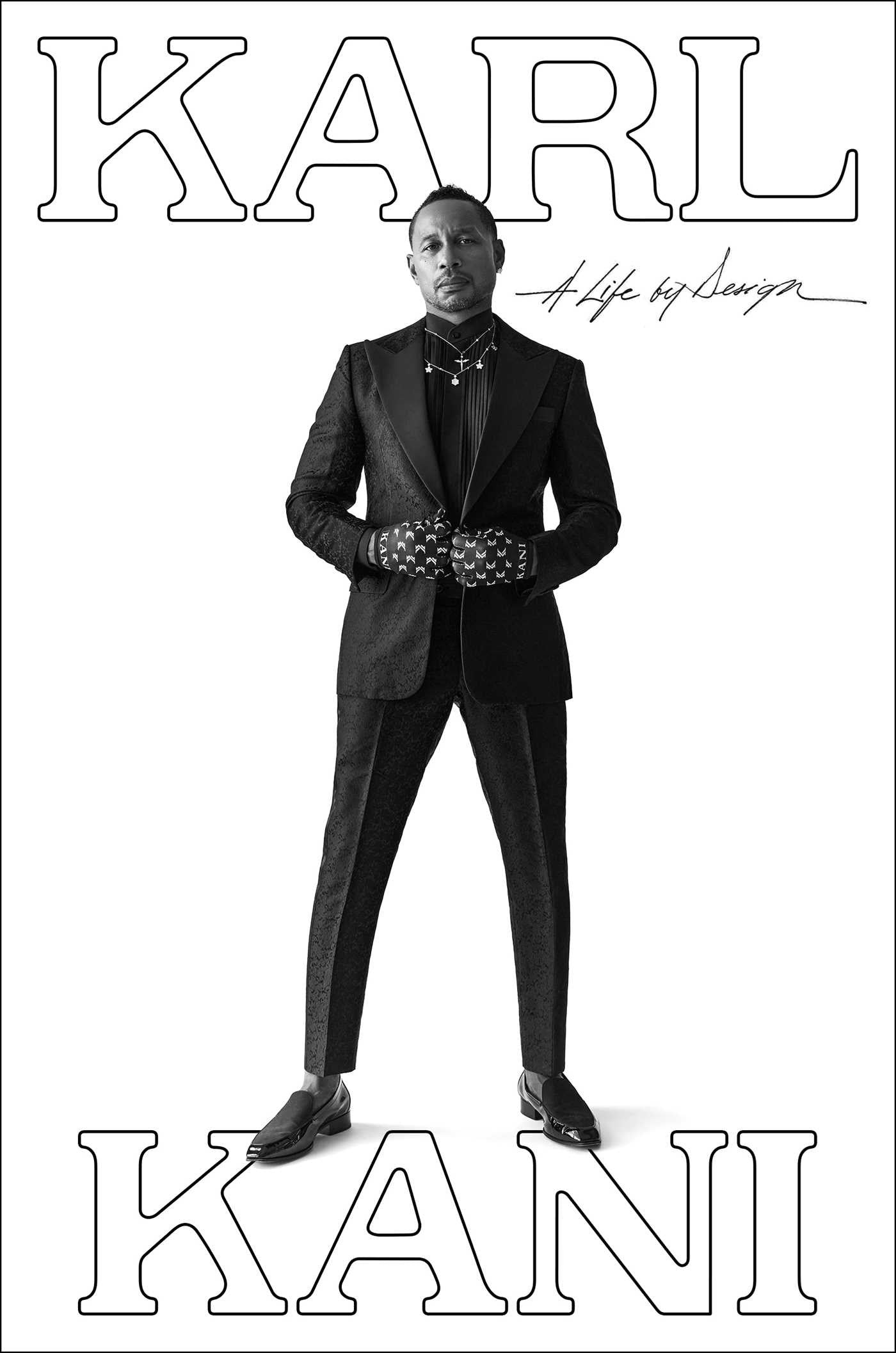
Launching his label during the late 1980s, Kani recognized that mainstream apparel companies were not designing clothing with hip hop culture in mind. So he created garments specifically for the community that was redefining music, language, and style.
His relaxed fits, premium denim, and unmistakable branding quickly became staples within hip hop. As artists rose to fame, Karl Kani became one of the first Black-owned fashion brands to achieve worldwide recognition.
Often called the “Godfather of Urban Fashion,” Kani demonstrated that Black entrepreneurs could compete globally while remaining authentic to the culture that inspired them.
Walker Wear: A Woman Designs the Movement
While men often dominated conversations surrounding streetwear, Walker Wear changed that narrative.
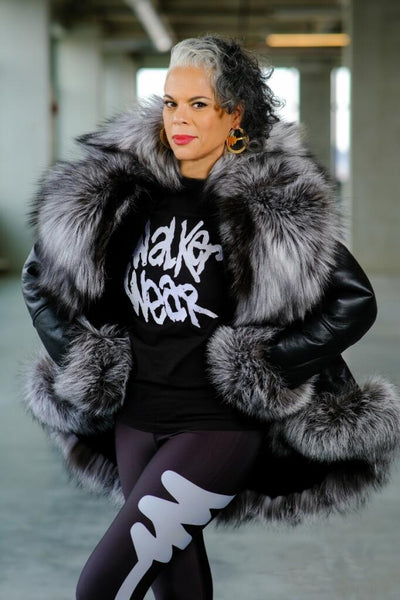
Founded by April Walker, the groundbreaking brand proved that women were not simply participants in hip hop fashion. They were innovators helping shape its future.
Walker Wear became known for durable denim, oversized jackets, athletic-inspired designs, and timeless streetwear that appealed to both men and women. The label found support from some of hip hop’s biggest artists while simultaneously opening doors for women designers in an industry that frequently overlooked their contributions.
Beyond creating clothing, April Walker became an example of fearless entrepreneurship, demonstrating that authenticity and vision could overcome barriers in business. Her influence continues to inspire countless women building fashion brands today.
FUBU: For Us, By Us
Few brand names have ever carried a message as powerful as FUBU.
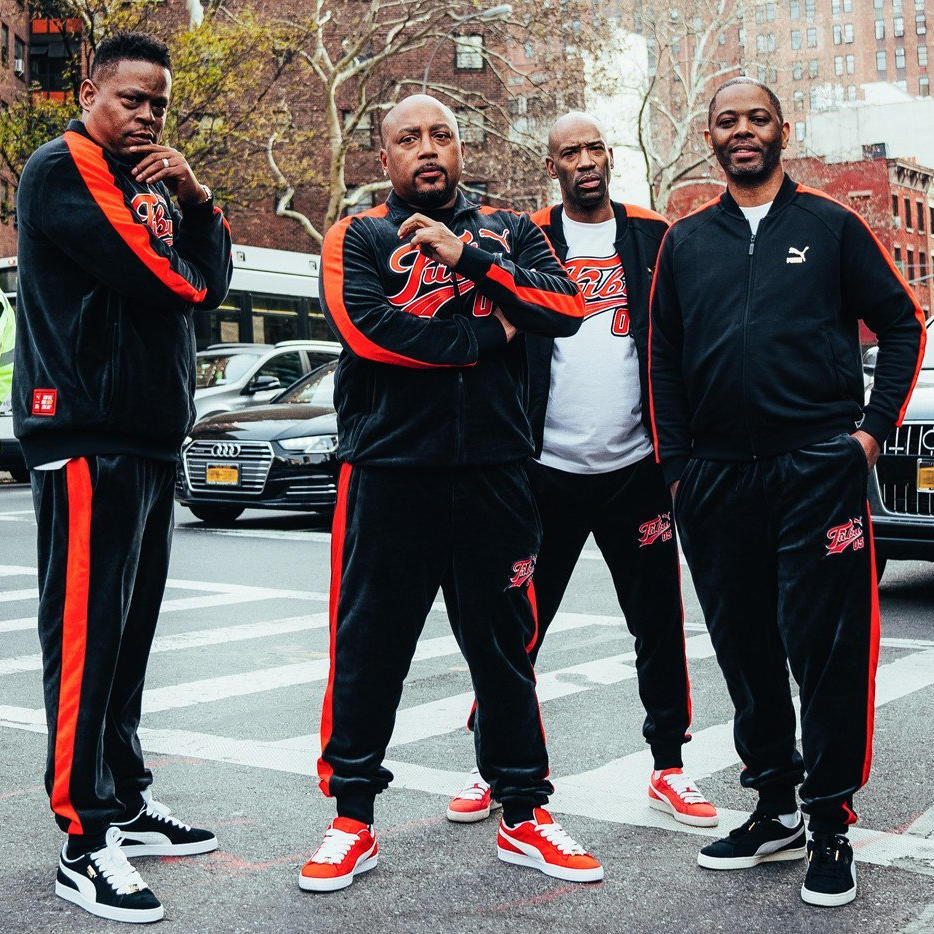
Standing for “For Us, By Us,” the company represented Black ownership, economic empowerment, and self-determination. Founded by Daymond John alongside J. Alexander Martin, Keith Perrin, and Carlton Brown, the brand began with hats sewn inside a modest home before becoming a billion-dollar global phenomenon.
Artists embraced the label because it represented more than fashion. It represented investment in the culture itself.
FUBU proved that Black-owned companies could compete against multinational corporations while maintaining a clear commitment to their community.
Its success inspired an entire generation of entrepreneurs who realized they no longer had to wait for opportunities. They could create them.
More Than Fashion
Collectively, these five pioneers accomplished something extraordinary. They transformed clothing into cultural identity. They built businesses when few investors believed in urban fashion. They created opportunities for Black designers, manufacturers, marketers, photographers, stylists, and entrepreneurs.
Most importantly, they demonstrated that ownership matters.
Today’s generation enjoys collaborations between luxury houses and hip hop artists, billion-dollar sneaker deals, and designer streetwear collections because these visionaries refused to believe that style belonged exclusively to traditional fashion capitals. They built their own lane.
The Legacy Continues
Every oversized hoodie, every designer sneaker collaboration, every luxury streetwear collection, and every Black-owned fashion brand owes a measure of gratitude to these pioneers.
Dapper Dan showed the world that luxury could be reimagined. Cross Colours proved fashion could champion social change. Karl Kani established urban fashion as a global business. Walker Wear elevated women as architects of hip hop style. FUBU demonstrated the extraordinary power of Black ownership.
Together, they transformed wardrobes into declarations of identity, ambition, and pride. The Founding Five of Hip Hop Fashion did not simply influence what the world wears. They changed the way the world sees Black creativity, entrepreneurship, and culture forever.