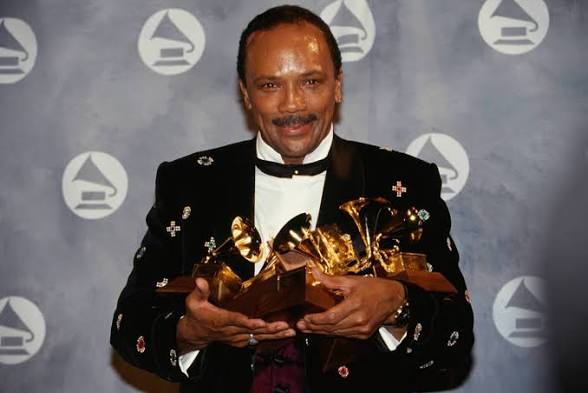
November 3, 2026 — Two years have passed since the world said goodbye to one of the greatest musical minds of our time, yet the influence of Quincy Jones remains as powerful today as it was throughout his remarkable seven-decade career.
On November 3, 2024, the legendary composer, producer, arranger, conductor, and entertainment executive passed away at his home in Bel Air, California, at the age of 91.
For those who understand the history of Black music, popular culture, and the entertainment industry, Quincy Jones was far more than a producer.
He was a visionary. A trailblazer. A cultural architect. A man whose creative fingerprints can be found on some of the most important recordings, television programs, and motion pictures in American history.
And perhaps most importantly, he was someone who believed that music had the power to transcend race, generations, geography, and social barriers.
A Musical Journey That Changed Everything
Born Quincy Delight Jones Jr. on March 14, 1933, in Chicago, Illinois, Jones discovered his passion for music as a young man growing up in Seattle, Washington.
What began with a trumpet eventually developed into an extraordinary career that would place him alongside some of the most celebrated names in entertainment.
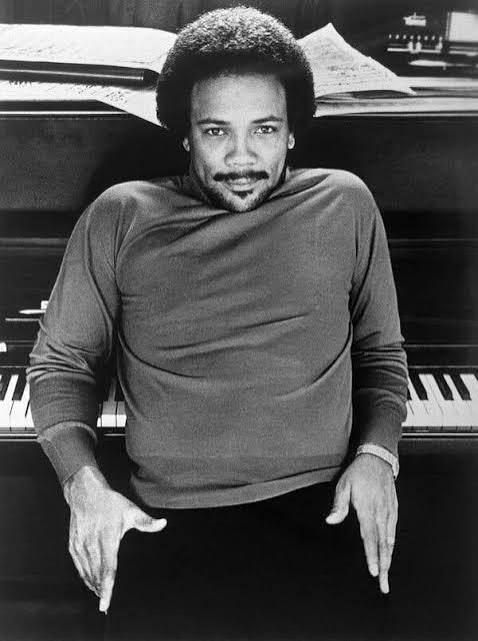
From working with jazz legends such as Count Basie, Dizzy Gillespie, and Ray Charles to collaborating with Frank Sinatra, Aretha Franklin, and countless others, Jones demonstrated a musical versatility that few could match.
He understood jazz. He understood soul. He understood rhythm and blues, funk, pop, and the emerging sounds of hip-hop.
More importantly, he understood artists.
Quincy possessed the rare ability to recognize something special in a performer and help transform that potential into something extraordinary.
The Quincy Jones and Michael Jackson Legacy
Perhaps no creative partnership better illustrates Jones’ genius than his work with Michael Jackson.
Together, they created three landmark albums that forever changed the landscape of popular music: Off the Wall (1979), Thriller (1982), and Bad (1987).
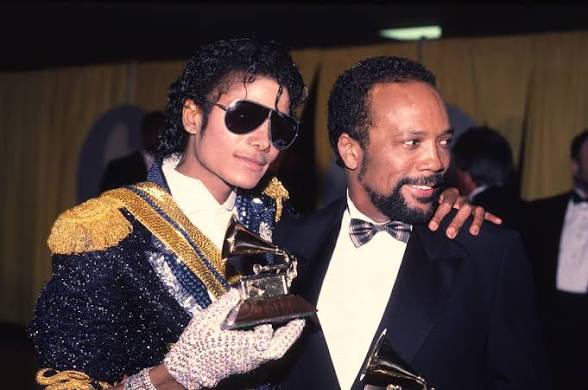
These weren’t simply successful recordings. They were cultural milestones.
With Thriller, Jones and Jackson helped establish a new standard for what an album could accomplish commercially, creatively, and internationally.
The album’s sophisticated production, unforgettable arrangements, and groundbreaking musical approach helped redefine the sound of an entire generation.
But Quincy Jones never allowed himself to be defined by one artist or one moment in time.
His musical imagination was simply too expansive.
More Than Music: A Cultural Architect
Jones’ influence extended well beyond the recording studio.
He helped bring Alice Walker’s celebrated novel The Color Purple to the big screen as a producer of the 1985 film, contributing to a project that introduced powerful Black storytelling to an international movie audience.
He also helped create opportunities in television through productions such as The Fresh Prince of Bel-Air, the groundbreaking sitcom that helped launch Will Smith into international superstardom.
As the founder of Qwest Records and a co-founder of VIBE magazine, Jones understood the importance of Black ownership, representation, and controlling the narratives surrounding our music and culture.
His achievements were especially significant during periods when African American executives, composers, and producers faced tremendous barriers within mainstream entertainment.
Rather than accept those limitations, Quincy Jones challenged them.
He opened doors, created opportunities, and demonstrated that Black creative leadership belonged at the highest levels of the entertainment business.
Bringing the World Together Through Music
In 1985, Jones helped assemble an extraordinary collection of recording artists for We Are the World, the historic charity single written by Michael Jackson and Lionel Richie.
The recording brought together some of the biggest names in popular music in support of African famine relief.
It was a defining demonstration of Jones’ ability to unite talented individuals around a common purpose.
Throughout his career, Jones continually used his platform to advocate for humanitarian causes, education, and opportunities for young people.
His work showed that artistic success and social responsibility could exist together.
A Legacy Measured in More Than Awards
Over the course of his extraordinary career, Quincy Jones earned 28 Grammy Awards and 80 nominations, placing him among the most celebrated figures in Recording Academy history.
He received numerous other honors recognizing his contributions to music, film, television, and American culture.
- 28 Grammy Awards and 80 nominations
- Producer of Michael Jackson’s Off the Wall, Thriller, and Bad
- Producer of the 1985 film The Color Purple
- Producer of We Are the World (1985)
- Television producer behind The Fresh Prince of Bel-Air
- Founder of Qwest Records and co-founder of VIBE magazine
Yet awards alone cannot adequately measure his impact.
His true legacy lives in the generations of musicians, producers, songwriters, arrangers, executives, and entrepreneurs who followed the paths he helped create.
From the jazz orchestras of the 1950s to the recording studios of the 1980s and the multimedia enterprises of the 21st century, Quincy Jones consistently demonstrated what could happen when musical excellence met imagination, preparation, and opportunity.
He was also never afraid to embrace the next generation.
His 1989 album Back on the Block became a powerful example of his ability to bridge traditional jazz, contemporary R&B, and hip-hop, bringing established legends and emerging artists into the same creative space.
That willingness to evolve was one of the many qualities that made him exceptional.
Two Years Later, the Music Still Speaks
As we remember Quincy Jones on the second anniversary of his passing, we are reminded that true greatness is not confined to a particular era.
His arrangements are still studied. His productions are still celebrated. His creative decisions continue to inspire aspiring music professionals around the world.
And the countless recordings he helped bring to life remain part of the soundtrack of our lives.
For Black Beat Magazine, remembering Quincy Jones also means celebrating the generations of Black musicians, producers, executives, and visionaries who transformed American popular culture.
Quincy was among the architects who built the foundation upon which today’s music industry stands.
He demonstrated that excellence requires discipline, that creativity knows no boundaries, and that real influence is measured by what we leave behind for others.
The Music Never Dies
There will never be another Quincy Jones.
There will be extraordinary producers, brilliant composers, innovative executives, and groundbreaking entertainers.
But there will never be another individual whose life and career followed quite the same extraordinary journey.
His contributions helped shape the soundtrack of generations, and his work will continue to resonate long after those generations have passed.
Two years after his departure, the world continues to celebrate not simply the music Quincy Jones created, but the possibilities he helped make real.
Your music lives on. Your influence remains. Your legacy is forever.
Black Beat Magazine remembers and honors the extraordinary life and cultural contributions of Quincy Delight Jones Jr., whose unparalleled vision helped change the world through music.
For more news, culture and entertainment coverage, visit BlackBeatMagazine.com.
THE CULTURE LISTENS.
Black Beat Magazine — Music • Culture • Entertainment • Since 1983.