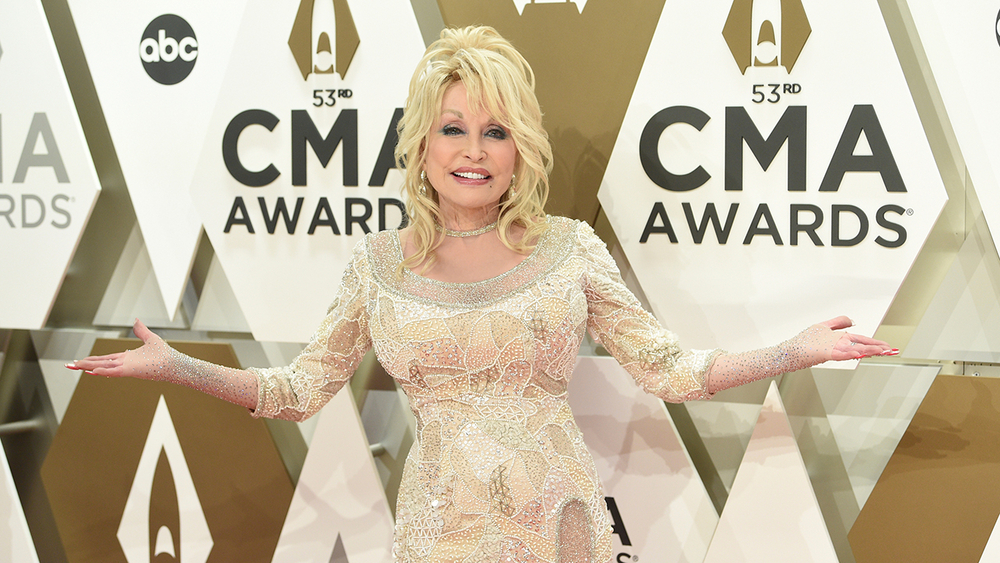
There are stars, there are icons, and then there are those rare figures who become part of the fabric of American culture. Dolly Parton belongs in that last category.
For more than six decades, the girl from the Great Smoky Mountains of Tennessee has built a career that almost defies definition. Singer. Songwriter. Actress. Businesswoman. Philanthropist. Author. Cultural institution. Dolly has worn all of those titles, usually with rhinestones, big hair and a smile that suggests she has always understood exactly what people see when they look at her.
But the reason generations continue to love Dolly Parton has very little to do with the glitter.
It is about what has always existed underneath it.
The Woman Behind the Rhinestones
Dolly Parton has never pretended not to know that she is Dolly Parton.
That may sound simple, but in an entertainment industry constantly asking artists to reinvent themselves, soften their accents, change their appearances or become whatever the marketplace demands, Dolly made an entirely different decision.
The bigger the stages became, the bigger the hair became. The brighter the spotlight, the brighter the rhinestones. The Tennessee accent never disappeared. Neither did the stories about family, poverty, faith, ambition and the mountains that raised her.
Somewhere along the way, what could have been dismissed as an image became something much more powerful: authenticity.
Dolly could laugh at herself before anybody else had the opportunity. She could make a joke about her appearance in one breath and discuss publishing rights or business strategy in the next.
Never confuse the glamour for a lack of substance.
Behind that carefully constructed image has always been an exceptionally sharp songwriter and businesswoman.
Before Everything Else, There Were the Songs
Strip away Dollywood, Hollywood, television appearances, business ventures and celebrity, and Dolly Parton’s legacy would still be secure because of what she put on paper.
“9 to 5” · “I Will Always Love You”
These aren’t simply records from another era. They are songs that have continued finding new audiences because Dolly understood something fundamental about great music: specificity can become universal.
She wrote about her life, but somehow listeners heard their own.
That connection became particularly powerful when Whitney Houston recorded “I Will Always Love You” for The Bodyguard.
It remains one of the great cultural intersections in popular music: a country song written by a white woman from rural Tennessee becoming a monumental recording through the voice of one of the greatest Black singers America ever produced.
Whitney didn’t erase Dolly from the song. She revealed another dimension of what Dolly had written.
And Dolly embraced it.
For Black Beat, a magazine whose history has always centered Black music and the artists who shape culture, that connection matters. It reminds us that great music has always traveled beyond the categories the industry creates for it.
An Artist Who Understood Ownership
There is another reason Dolly’s story deserves attention, particularly from generations of Black artists who know the painful history of music ownership.
Dolly understood that a song wasn’t only an artistic creation.
It was intellectual property.
The story of her refusing to surrender the publishing rights to “I Will Always Love You” when Elvis Presley wanted to record the song has become part of music-business lore. The opportunity to have Elvis record your composition would have been almost impossible for many young songwriters to reject.
Dolly reportedly walked away rather than give up half of her publishing.
Years later, when Whitney Houston’s recording became a global phenomenon, the significance of that decision became even clearer.
For generations of Black musicians who created enormously valuable music while watching publishing rights, masters and royalties enrich other people, there is something especially meaningful in that lesson.
Know your value. Know your rights. Know what you own.
Dolly understood the business behind the music.
Country Was Home, But It Was Never a Fence
Dolly Parton is unquestionably a country artist, but country music has never completely defined the boundaries of her audience.
She moved into pop. She became a movie star. She conquered television. She collaborated across genres and generations.
Films including 9 to 5, The Best Little Whorehouse in Texas and Steel Magnolias helped introduce another Dolly to the world. She could be funny, vulnerable, glamorous and completely comfortable sharing the screen with other major personalities.
She didn’t leave country music behind to accomplish it.
She simply refused to stay inside one box.
That distinction is important.
The most enduring artists often aren’t the ones who abandon their roots. They are the ones who discover how far those roots can travel.
Dolly the Businesswoman
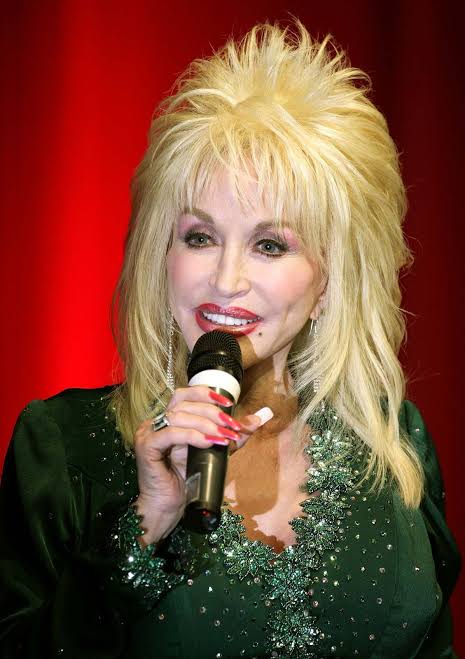
For all the conversation about Dolly the entertainer, perhaps we don’t talk enough about Dolly the entrepreneur.
Dollywood is one of the clearest examples.
Building a major entertainment destination in East Tennessee wasn’t simply an exercise in celebrity branding. It connected Dolly’s name to tourism, employment, hospitality and economic activity in the region that helped shape her.
That is a very different model of success.
She didn’t simply leave home, become famous and occasionally return for a photo opportunity.
She built something there.
Over the years, the Dolly Parton brand has expanded across entertainment, publishing, attractions, hospitality and consumer products. What makes the strategy particularly effective is that it rarely feels disconnected from the woman herself.
That is something modern entrepreneurs call brand authenticity.
Dolly was practicing it long before somebody turned it into a marketing presentation.
Her Greatest Investment May Be in People
Perhaps nothing explains the affection surrounding Dolly Parton better than what she has chosen to do with her success.
Her Imagination Library, launched in 1995, began with a straightforward idea: get books into the hands of children.
The inspiration was deeply personal. Dolly has spoken openly about her father being unable to read and write. Instead of allowing that family experience to remain simply part of her biography, she transformed it into action.
The program grew from her Tennessee community into an international literacy initiative that has distributed hundreds of millions of books.
Think about the scale of that legacy.
Long after a chart position is forgotten, there will be adults who learned to love reading partly because books arrived at their homes through a program bearing Dolly Parton’s name.
Her philanthropy has also reached education, disaster relief, community support and medical research.
Celebrity gave Dolly a platform.
She decided that platform should do something.
- Born in 1946 in the Great Smoky Mountains of East Tennessee, the fourth of twelve children
- Wrote both “Jolene” and “I Will Always Love You,” released as singles in 1974
- Whitney Houston’s 1992 recording of “I Will Always Love You,” from The Bodyguard, became one of the best-selling singles in history
- “9 to 5” topped both the pop and country charts and earned an Academy Award nomination for Best Original Song
- Dollywood opened in Pigeon Forge, Tennessee, in 1986
- Dolly Parton’s Imagination Library launched in 1995 and now mails books to children across several countries
- Inducted into the Country Music Hall of Fame in 1999 and the Rock & Roll Hall of Fame in 2022
Why Black America Has Always Had Room for Dolly
Dolly Parton may come from country music, but affection for her has never existed exclusively within country audiences.
There is something about Dolly that crosses cultural lines.
Part of that connection is musical. Whitney Houston permanently connected Dolly’s songwriting to one of the defining Black vocal performances of the modern era.
But it goes deeper.
Black audiences understand the power of coming from very little and refusing to be ashamed of it. We understand family stories becoming survival stories. We understand humor being used as armor. We understand building something from talent when the circumstances around you suggest that you shouldn’t be able to.
And we certainly understand the importance of remembering where you came from after you make it.
Dolly’s story doesn’t belong to Black culture, and it doesn’t need to.
But there are parts of her journey that Black audiences can recognize.
Sometimes it begins with recognizing something familiar in somebody else’s story.
She Never Needed to Tell Us She Was an Icon
Perhaps that is the secret.
Dolly Parton never seemed particularly interested in demanding that people acknowledge her importance.
She kept working.
She kept writing.
She kept building.
She kept giving.
And somewhere during that journey, the accolades became almost secondary to the affection.
At 80, Dolly occupies a cultural position few entertainers ever reach. Grandparents know her songs. Their children watched her movies. Their grandchildren recognize her name. Songwriters study her catalog. Entrepreneurs study her brand. Children receive her books.
That is no longer simply a career.
That is legacy.
We Will Always Love Dolly
There is an obvious temptation to end any tribute to Dolly Parton by borrowing the title of her most famous composition.
But perhaps the sentiment endures because it happens to be true.
We will always love Dolly Parton.
Not because she is perfect. Not because everyone listens to country music. And not because nostalgia has frozen her somewhere in the past.
We love Dolly because after all the records sold, movies made, businesses built, awards collected and money earned, the woman from Tennessee never seemed embarrassed by the girl who started there.
She took her family with her.
She took her accent with her.
She took her stories with her.
And when success finally gave her the ability to change other people’s lives, she took that responsibility with her too.
Some artists give us music. Some give us memories. A very small number leave behind a blueprint.
Dolly Parton has given us all three.
And that is why we will always love Dolly.