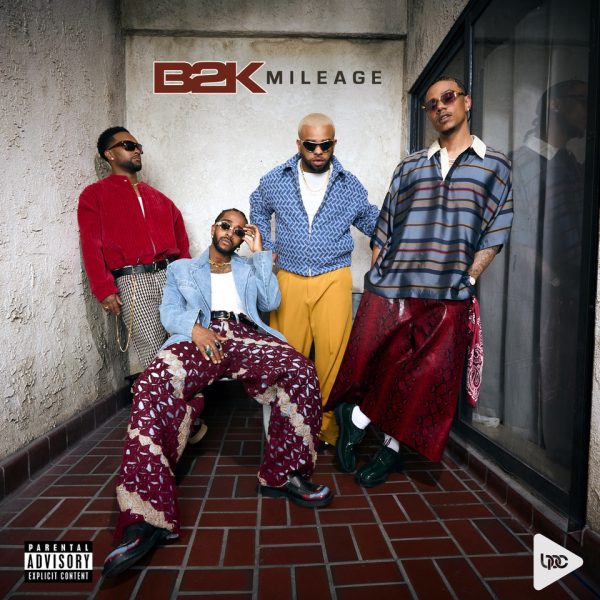
For an entire generation of music fans, B2K represented more than a successful boy band. They embodied a cultural moment. Their music provided the soundtrack to first crushes, school dances, bedroom singalongs, and the era when music videos still influenced fashion, dance, and pop culture.
Now, after years of personal growth, individual careers, public disagreements, and highly publicized reunions, B2K has once again captured the attention of fans. Their return arrives with renewed excitement, fueled by the release of “Mileage,” a record that symbolizes both the distance traveled and the experiences gained throughout their journey. For longtime supporters, it is more than another song. It is the continuation of a story that began over two decades ago.
A Group That Defined an Era
When B2K burst onto the scene in the early 2000s, they quickly became one of R&B's biggest young acts. Consisting of Omarion, Lil' Fizz, J-Boog, and Raz B, the quartet blended polished choreography, youthful charisma, and contemporary R&B into a formula that resonated with millions of fans.
Hits including “Uh Huh,” “Gots Ta Be,” “Girlfriend,” “Why I Love You,” and “Bump, Bump, Bump” became staples on radio stations, music television, and playlists across the country. Their success extended beyond music. Merchandise, sold-out concerts, television appearances, and the dance film You Got Served transformed B2K into one of entertainment's biggest youth brands. Few groups of their generation enjoyed the level of influence they achieved in such a short period.
Growing Beyond the Spotlight
Like many young groups, B2K's success came with enormous pressure. After disbanding, each member followed a different path. Omarion established himself as a successful solo artist, releasing multiple albums and continuing to build an international touring career. Lil' Fizz expanded into television and entrepreneurship. J-Boog remained active in music while focusing on songwriting and family. Raz B navigated both personal challenges and advocacy while continuing his artistic pursuits.
Although fans never stopped hoping for another reunion, the years also brought public disagreements, legal disputes, changing priorities, and personal healing. Those experiences became part of the group's story.
The Meaning Behind “Mileage”
The title “Mileage” feels especially fitting. Mileage represents experience. It represents lessons learned. It represents relationships tested and repaired. Most importantly, it represents growth.
Rather than attempting to recreate who they were in 2002, B2K appears focused on embracing who they have become as men, artists, fathers, entrepreneurs, and entertainers.
That maturity gives the new chapter a different kind of authenticity. Fans who grew up alongside the group have experienced their own life's mileage. Careers have been built, families started, dreams fulfilled, and challenges overcome. That shared evolution creates a deeper connection between artist and audience.
Why Nostalgia Still Matters
The entertainment industry has experienced a significant resurgence of legacy artists. Tours celebrating the music of the late 1990s and early 2000s continue selling out arenas nationwide. The reason is simple: great music ages well. For millennials especially, hearing songs from their youth reconnects them with important memories.
B2K occupies a unique place within that conversation. Their catalog remains instantly recognizable, while their influence can still be seen in today's younger performers who blend choreography, vocal harmonies, and polished stage production. Their return reminds audiences that musical legacies are measured not only by chart positions but by lasting emotional impact.
More Than a Reunion
Successful reunions require more than simply putting four members back on stage. Today's audiences expect authenticity. They want chemistry. They want maturity. They want to believe that the artists genuinely enjoy creating together again.
If “Mileage” signals the beginning of a larger creative chapter, B2K has an opportunity to redefine their legacy. Instead of becoming known solely for their early-2000s success, they can become an example of artistic longevity and personal evolution.
The Fans Never Left
Perhaps the greatest strength behind B2K's return is their loyal fan base. For years, supporters continued streaming their music, celebrating anniversaries of classic albums, sharing throwback performances online, and filling arenas whenever reunion opportunities emerged. That level of loyalty cannot be manufactured. It is earned. It speaks to the emotional connection their music created. Today's fans aren't simply revisiting old memories — they're creating new ones.
Looking Ahead
Whether “Mileage” leads to a full album, an international tour, or additional collaborations, one thing is clear: people still care about B2K. The excitement surrounding their return proves that their influence extends far beyond nostalgia. The group now has an opportunity to write a second chapter that reflects everything they've experienced over the past two decades.
For Black music, that's always worth celebrating. Artists grow. Audiences grow. Legacies grow. And sometimes, the road back becomes just as meaningful as the road that first led to success.
For B2K, the mileage has been long, filled with both triumphs and obstacles. Yet their latest return demonstrates that some journeys don't truly end — they simply evolve. As fans press play on this new era, one thing is certain: B2K's story is still being written, and the culture is watching every step of the journey.