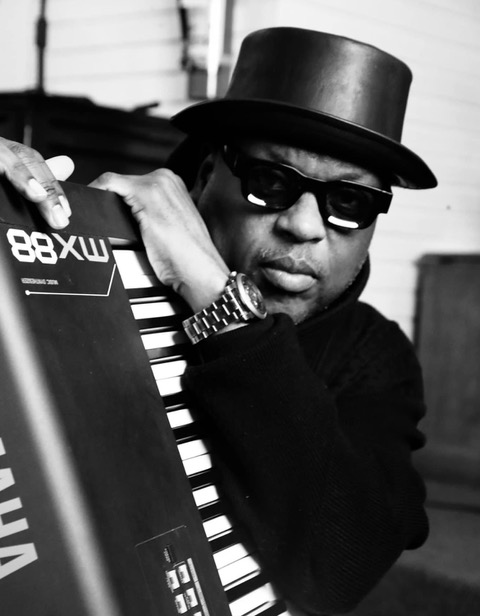
By the time audiences remember an unforgettable scene, chances are they are also remembering the music that made them feel it.
Long after the dialogue ends and the credits begin to roll, it is often the score that lingers in the heart. It creates anticipation before a word is spoken, magnifies triumph, deepens heartbreak, and transforms ordinary moments into unforgettable cinematic experiences. Few composers understand that emotional language as completely as Rob “Diggy” Morrison.
For decades, Morrison has quietly become one of the entertainment industry’s most respected musical storytellers, creating original scores that have elevated television and film while allowing audiences to experience Black stories with even greater emotional depth.
His latest work on ALLBLK’s Deb Is Boss serves as another reminder that some of the most important artists in Hollywood are the ones audiences rarely see.
Scoring the Life of a Hip Hop Power Broker
Inspired by the remarkable life of music executive Deb Antney, Deb Is Boss chronicles the journey of one of hip hop’s most influential business minds. Long before helping shape the careers of artists including Gucci Mane, Nicki Minaj, French Montana, and countless others, Antney overcame extraordinary personal obstacles to build an entertainment empire rooted in resilience, determination, and vision. Directed by Trey Haley and starring Lil Mama as Deb Antney, the film has connected with viewers through its authentic storytelling and emotional honesty.
While audiences naturally celebrate the performances on screen, Morrison’s score serves as the emotional current flowing beneath every scene. His compositions never compete with the actors. Instead, they breathe alongside them.
Whether underscoring moments of personal struggle, professional triumph, or heartbreaking sacrifice, Morrison understands that music should never simply accompany a story. It should become part of the story itself.
Deb Is Boss
- Platform
- ALLBLK
- Inspired By
- The life of music executive Deb Antney
- Director
- Trey Haley
- Starring
- Lil Mama as Deb Antney
- Original Score
- Rob “Diggy” Morrison
- Also Featuring
- An empowering anthem from Lil Mama and additional musical contributions
A Craft Built Over Three Decades
That philosophy has defined a career spanning more than three decades. Known throughout the industry for blending orchestral sophistication with contemporary urban textures, Morrison has established a signature style that feels equally at home in dramatic television, feature films, documentaries, and inspirational programming. His ability to merge cinematic scoring with the rhythm and cultural authenticity of Black storytelling has made him a trusted creative partner for producers and directors seeking emotional authenticity rather than predictable musical cues.
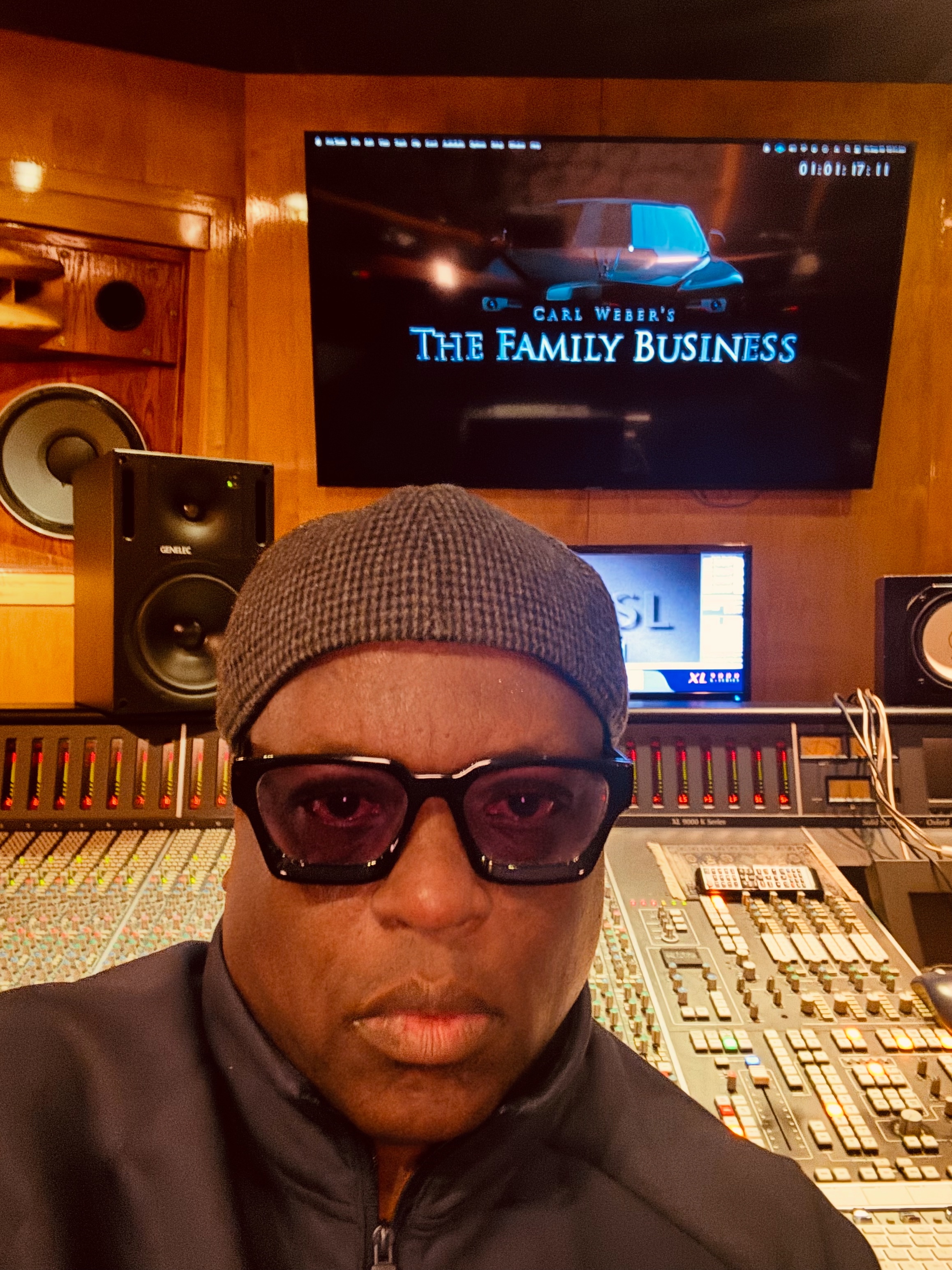
Among his best-known accomplishments is serving as composer for the hit BET series The Family Business, where his music became inseparable from the show’s suspense, family dynamics, and dramatic tension. Across more than one hundred film and television projects, Morrison has consistently demonstrated an ability to translate emotion into sound while remaining faithful to the vision of each production.
That level of consistency is no accident. Film scoring demands far more than musical talent. It requires psychology, discipline, timing, and the rare ability to understand what an audience should feel before they even realize it themselves.
Every note carries purpose. Every silence matters. Every crescendo becomes another layer of storytelling.
That craftsmanship is especially evident throughout Deb Is Boss. Rather than relying solely on dialogue to communicate emotion, Morrison’s score allows viewers to experience Deb Antney’s journey on a deeper level. The music shifts effortlessly between vulnerability and strength, reinforcing the film’s central themes of perseverance, ambition, sacrifice, and leadership.
The soundtrack also benefits from performances that complement the narrative, including an empowering anthem from Lil Mama and additional musical contributions that reinforce the film’s energetic spirit. Yet it is Morrison’s original score that binds every scene together, creating a cohesive emotional experience from opening frame to closing credits.
The Value of the Artists You Never See
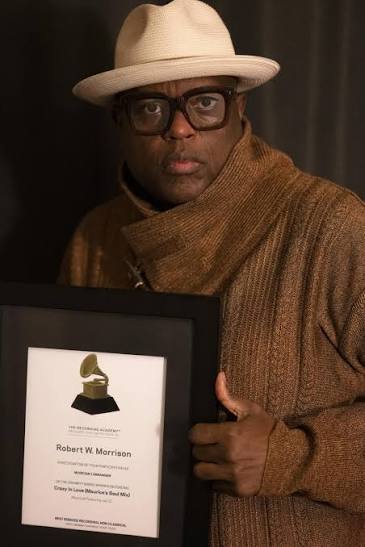
Within the entertainment industry, composers often work behind the scenes while actors, directors, and producers receive the majority of public recognition. However, professionals understand that unforgettable productions rarely become cultural moments without unforgettable music. That reality continues to position Morrison among the industry’s most valuable creative collaborators.
His career reflects an artist who has never chased attention but instead pursued excellence. Project after project, he has allowed his work to speak louder than publicity, earning the respect of filmmakers who recognize the importance of music as a storytelling instrument rather than simply background sound.
For Black filmmakers especially, that contribution carries even greater significance. As more authentic Black stories find audiences across streaming platforms and theatrical releases, composers like Rob “Diggy” Morrison help ensure those narratives are presented with the emotional richness they deserve. His work reinforces that representation extends beyond the faces appearing on screen. It includes the creative voices shaping every aspect of the viewing experience.
Giving the Story a Heartbeat
The evolution of Black cinema has always depended upon artists working together across disciplines. Writers create the vision. Directors shape the performance. Actors bring characters to life. Composers give those stories a heartbeat.
Rob “Diggy” Morrison continues to prove why that final element can make all the difference. As Hollywood embraces increasingly sophisticated storytelling centered on Black experiences, Morrison remains one of the industry’s most accomplished musical architects, creating scores that do more than support great films. They elevate them.
Some artists tell stories with dialogue. Others tell them with images. Rob “Diggy” Morrison tells them through emotion, one unforgettable note at a time.