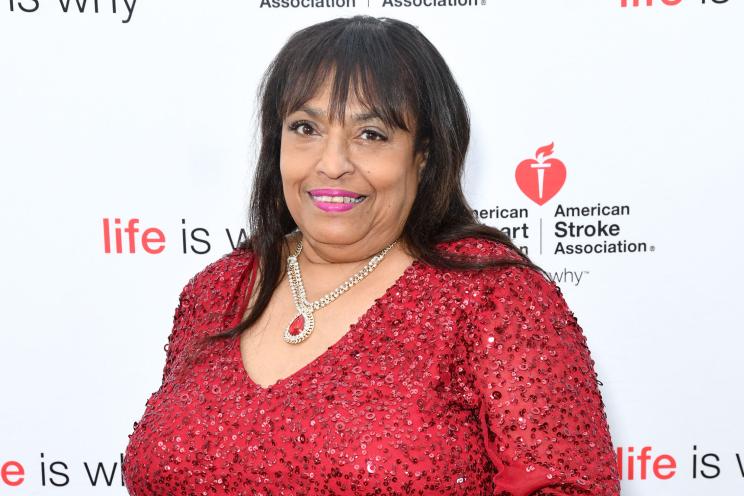
Long before social media feeds, viral entertainment blogs, and celebrity podcasts dominated the conversation, there was Florence “Flo” Anthony, a journalist whose reporting, relationships, and relentless work ethic helped define modern entertainment journalism.
For more than four decades, Flo Anthony occupied a rare position in media. She wasn’t simply reporting on celebrities. She had earned their trust. Her columns, television appearances, and nationally syndicated radio broadcasts made her one of the most recognizable voices covering Black entertainment, sports, and popular culture.
From the Corner of the Boxing Ring to the Newsroom
A graduate of Howard University, Anthony’s career began in public relations, representing legendary boxing champions including Muhammad Ali, Larry Holmes, Michael Spinks, and others before transitioning into journalism. That experience gave her an insider’s understanding of both the business and personalities behind entertainment and sports.
Her greatest professional breakthrough came at the New York Post, where she shattered barriers as the first African American reporter to work on the newspaper’s famed Page Six gossip column. She also became the first woman to work in the paper’s sports department, opening doors that had long been closed to women and journalists of color. Those achievements helped redefine who could report on entertainment at the highest level.
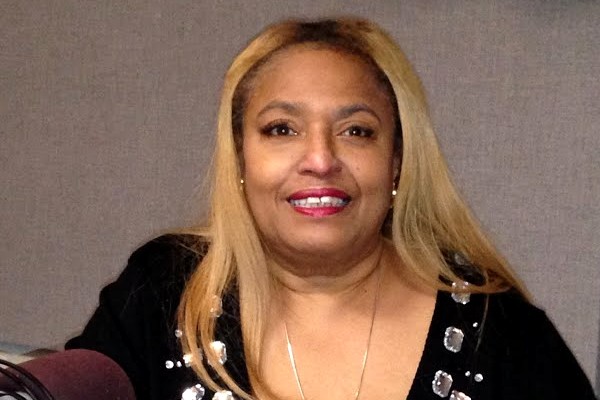
A Voice on Every Screen
Anthony’s influence quickly expanded beyond newspapers. She became a familiar face on programs including Entertainment Tonight, Inside Edition, E! True Hollywood Story, TV One documentaries, CNN, Fox News, and numerous nationally syndicated talk shows. Whether discussing Michael Jackson, Whitney Houston, Mike Tyson, Janet Jackson, or Hollywood’s biggest headlines, she delivered stories with credibility built on decades of relationships rather than speculation.
Her syndicated radio feature, “Gossip On The Go With Flo,” reached millions of listeners across the country, while her long-running newspaper column, “Go With The Flo,” became required reading for entertainment insiders and fans alike. She also served as publisher and editor of Black Noir magazine, demonstrating her commitment not only to reporting the culture but also to creating platforms that amplified Black voices.
- Howard University graduate who began her career in publicity, representing champions including Muhammad Ali, Larry Holmes, and Michael Spinks
- First African American reporter on the New York Post’s Page Six, and the first woman in the paper’s sports department
- Host of the syndicated radio feature “Gossip On The Go With Flo” and author of the column “Go With The Flo”
- Publisher and editor of Black Noir magazine
- Novelist, with titles including Deadly Stuff Players and One Last Deadly Play
The Storyteller Behind the Reporter
Anthony also proved her talents extended beyond journalism. She authored several novels, including Deadly Stuff Players and One Last Deadly Play, blending her firsthand knowledge of the entertainment industry into compelling fiction. Her work showcased a storyteller capable of moving effortlessly between factual reporting and imaginative writing.
Beyond the headlines, colleagues consistently described Flo Anthony as generous, authentic, and deeply committed to mentoring younger journalists. She understood that journalism was about more than breaking news. It was about preserving relationships, documenting history, and maintaining integrity while covering an industry built on publicity.
A Pioneer Remembered
Today, the entertainment world lost one of its true pioneers when Florence “Flo” Anthony passed away following a battle with cancer at the age of 74. Her passing prompted an outpouring of tributes from journalists, entertainers, and longtime friends who recognized the extraordinary impact she had made on Black media and celebrity journalism. Just months earlier, she had married former heavyweight boxing champion Michael Spinks after a relationship that had spanned decades.
Florence “Flo” Anthony leaves behind a legacy measured not only by the stories she broke, but by the barriers she dismantled. She proved that Black journalists could lead in entertainment media, that credibility could coexist with celebrity reporting, and that relationships built on trust ultimately become a reporter’s greatest asset.
Today’s entertainment landscape, with its multimedia reporters, digital personalities, and cultural commentators, owes a debt to pioneers like Flo Anthony. She didn’t simply cover the culture.
She became an unforgettable part of it.